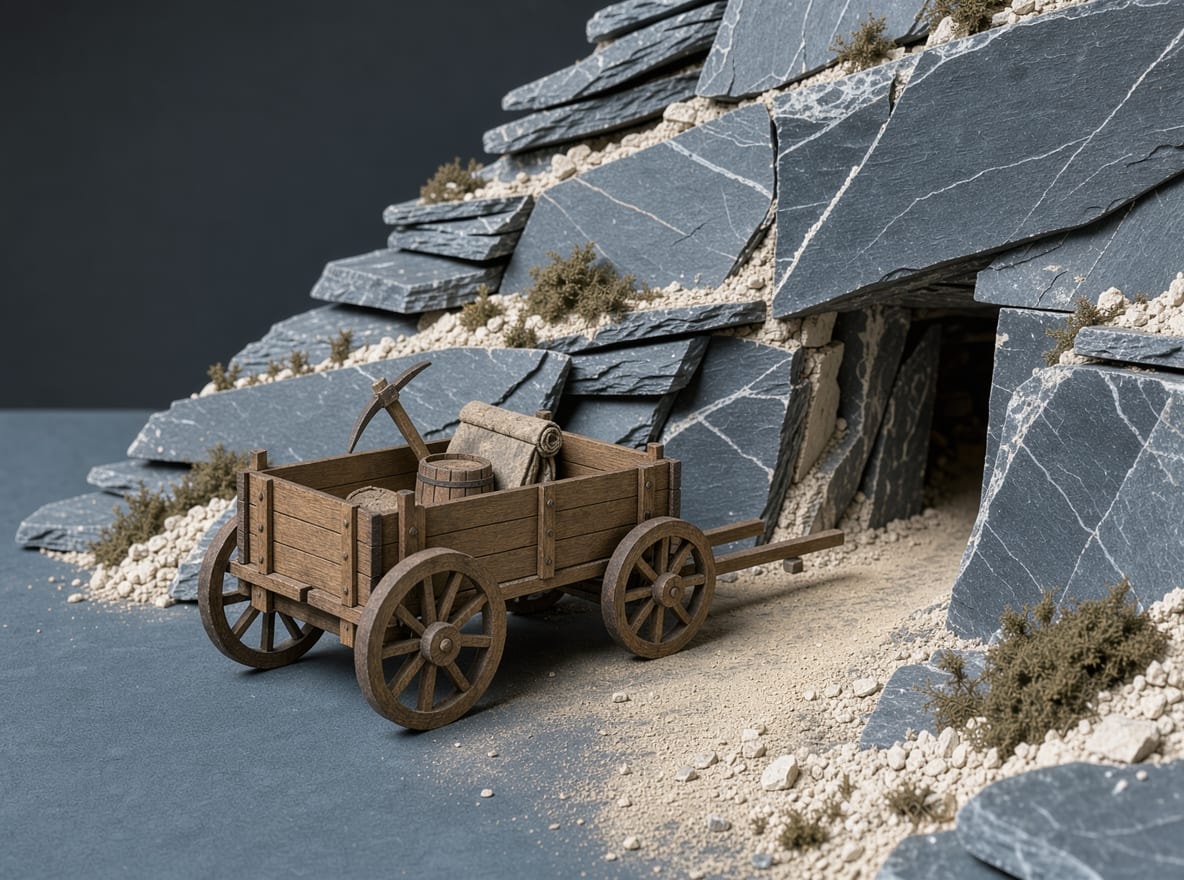
Read the land before you spend the points
Find a temperate patch with trees, soil and neighbours. Zoom from the world down to the proposed rectangle. A world-map river might run through the region and miss your selected ground entirely. Move the rectangle and read the local description again. If there are several biomes inside it, examine each one. A wooded square on one side of a ridge can save a great deal of hauling on the other.
Soil lets the first miners open a farm without having to put mud on stone. Trees supply beds and barrels. A brook supplies water while leaving room to cross. A light aquifer adds work and a heavy one can stop a first excavation altogether. A freezing or scorching place adds a water problem before you have learned how to build a well. Wilderness marked sinister or terrifying is an excellent idea for a later expedition.
On the civilisation view, check who can reach the site. On the elevation view, find a reasonably gentle way for a wagon to approach. An impressive ridge and a usable road can both fit on a small embark.
Read the four 40d site views
Biome. Cycle through the biomes in the local rectangle. Check temperature, soil and trees in each. A brook just outside the rectangle stays outside the playable fort.
Civilisation. Check which neighbours can reach this part of the world. They are the people who can appear on the edge of the map with goods or trouble.
Elevation. Trace the rise from the riverbank to the proposed entrance. A low door can save the water hauler a climb every trip.
Slope. Look for an approach that avoids a sheer drop. Enlarging the rectangle may bring an easier route into play, at the cost of more ground for the game to simulate.
Pack for work that can start here
| Bring or assign | What it buys the first seven |
|---|---|
| A miner with a pick | A dry entrance, storage space and a stair. A second miner needs a second pick. |
| A woodcutter with an axe and a carpenter | Timber becomes beds, buckets, bins and barrels. Decide who holds the axe when the first hauling jobs arrive. |
| A grower, seeds, food and drink | Supplies last while a planted crop matures. A skilled planter stretches each patch of ground. |
| A way to brew | Keep plantable crops and a spare liquid container available. Cooking every last mushroom is an expensive feast. |
| Useful livestock | Read the sexes of animals if you intend to breed them. Pasture zones came after 40d. A single cat can do a useful amount of mousing. |
| An anvil if you want an early forge | A metal industry needs one. A trading fort can try to obtain one from a caravan and accept the wait. |
Inspect the seven before unpausing
In 40d each settler could take ten skill points, up to five in one skill. Five meant proficient. Cover mining, masonry, growing and carpentry first. A second proficient miner earns their keep as soon as there is a second pick. A grower who is also the only woodcutter has two places to be on planting day. Leave some hauling to the settlers whose workshops can wait.
One first-year packing list allowed eight units of food per settler, or 56 for the seven. It rounded the load to about sixty and took twice as much drink, divided between wine, beer, ale and rum. Five plump helmet spawn and five pig tail seeds started the example plots. Turtle could leave a shell for a craft. Extra mouths and a late first crop change how long those stores last.
The raw material is only half a purchase. A log can become a bed once a carpenter has a workshop. An anvil earns its wagon space only once the smith has metal and heat. If either industry can wait, the same points can put finished supplies in the wagon today.
From the wagon to the first bed
Pause when the map opens. Locate the wagon, check the unit list and inspect a few tiles. Move one elevation down and back up before designating anything. You are looking at slices through a volume. A beautifully drawn room in the air above the hillside will remain an admirable drawing.
- Mark a short passage straight into a bank, or a staircase from a flat surface into the floor below. Watch the first miner actually reach it. In 40d, check the matching stair one level down. Leave solid ground between the excavation and any stream.
- Open a room off the entrance and mark a food stockpile where haulers can reach it. Move the perishable cargo inside. Give refuse a separate place away from the food. A stockpile is an instruction to put certain items on certain squares.
- Fell a few trees. Build the carpenter’s workshop on accessible ground and order a bed. The order makes furniture. Placing the finished bed in a room is a second job. The same distinction explains most first-day door trouble.
- Put beds in a shared dormitory while the miners make separate rooms. Use a dining table with a chair beside it. Give the carpenter some time for barrels and buckets before setting a long queue of beds.
- Build a small farm plot on underground soil, choose plump helmets for each season and make sure someone can plant. Set aside spawn. Build a still with room for haulers on both sides of the job, including wherever the full barrel will end up.
A carpenter standing outside with an armful of wood has a reason. Inspect the job, the workshop approach and the intended stockpile. An inaccessible corner, a forbidden log or a queue of competing hauling work often explains more than another order would.
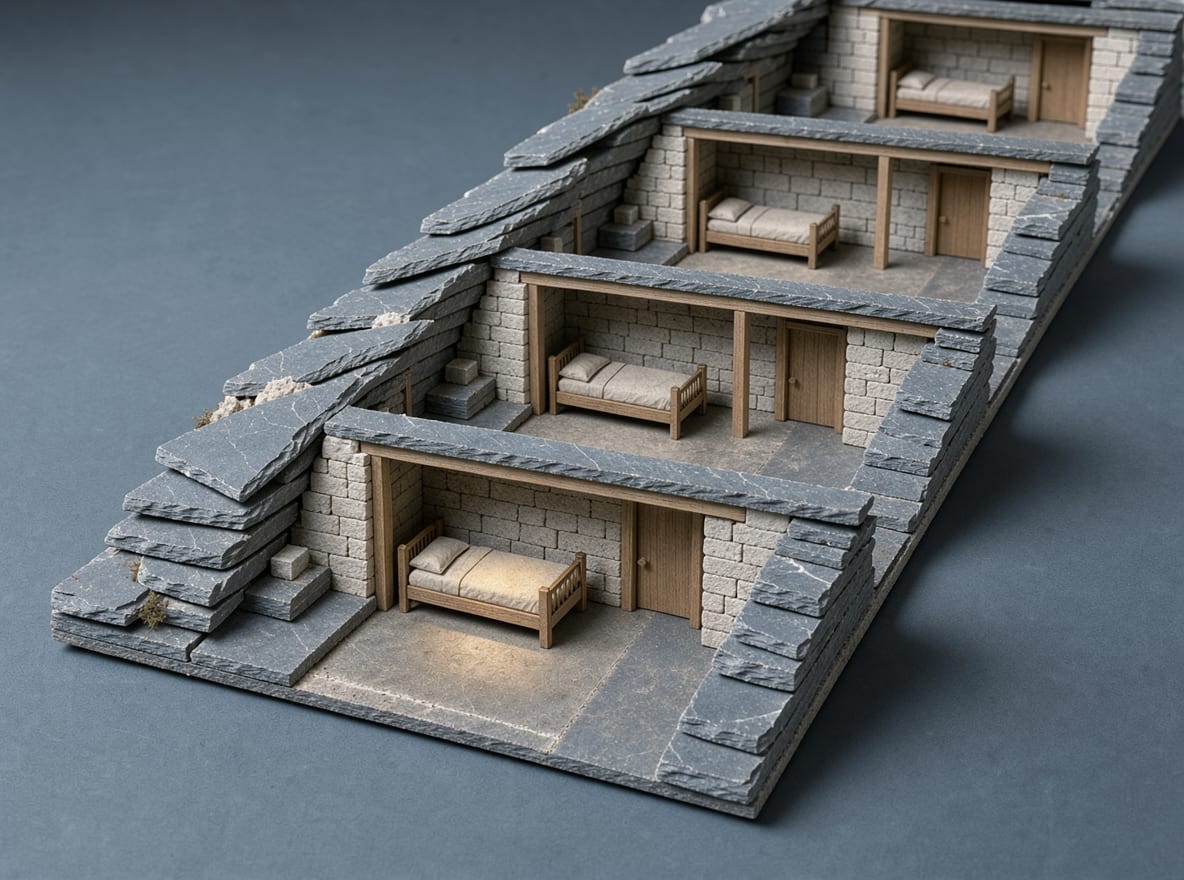
Make the first bedroom in 40d
Put the mason’s workshop near the loose stone. In the 40d build menu the sequence is b, w, m. Query the finished workshop with q and add an order with a. A stone chair is called a throne on its order slip. Add a table and a door while the carpenter works on beds.
Once a bed exists, use the build menu to place it. Wait for the hauling and installation jobs to finish. Query the installed bed and press r to size its room. In this edition, marking the shared bedroom as a barracks kept the first sleeper from claiming the whole room. A private bedroom gets its own bed and its own boundary.
Summer is a route test
Walk the trip in your head from the last farm square to the food stockpile, the still, the dining table and the bedrooms. A few steps saved on a journey made all year matter more than a wide ceremonial entrance. Place a workshop beside its main material and leave room for finished goods. Stone mugs and small crafts give the first stoneworker something useful to make from the pile by the stairs.
Choose a fresh water source before a bedridden dwarf needs it. A bucket can be carried there. A well needs open space below and water somewhere along that vertical line. An indoor supply can remain usable when an outdoor pond freezes. Put a pasture where animals can reach grass and keep it clear of the busiest approach. Read the announcements when the game pauses. An inaccessible destination and a missing material need different fixes.
Autumn at the depot
Build a trade depot before visitors arrive. Trace a wagon-width approach all the way from the map edge, including ramps, turns and the front door. Order some of the crafts to the depot, give the haulers time, then request a trader. A broker with appraisal can tell you more about the value of the proposed exchange. A barrel of drink, cloth, a useful animal or an anvil can be worth far more to a small fort than an impressive pile of exports.
In 40d a stonecrafter could turn one boulder into three mugs. Store them in a bin near the workshop. Once the five-by-five depot is built, Shift + D shows whether a wagon has a continuous three-tile route. A tree at the bend can keep an otherwise splendid depot out of business.
Query the depot with q and choose g for goods. Mark the bin under crafts and let a hauler deliver it. Query again and request the trader with r. If the broker stays at work, free them from that job. Once they arrive, t opens the bargain. Your stock is on the right, the caravan’s on the left. The liaison’s later meeting with the expedition leader sets requests for next year.
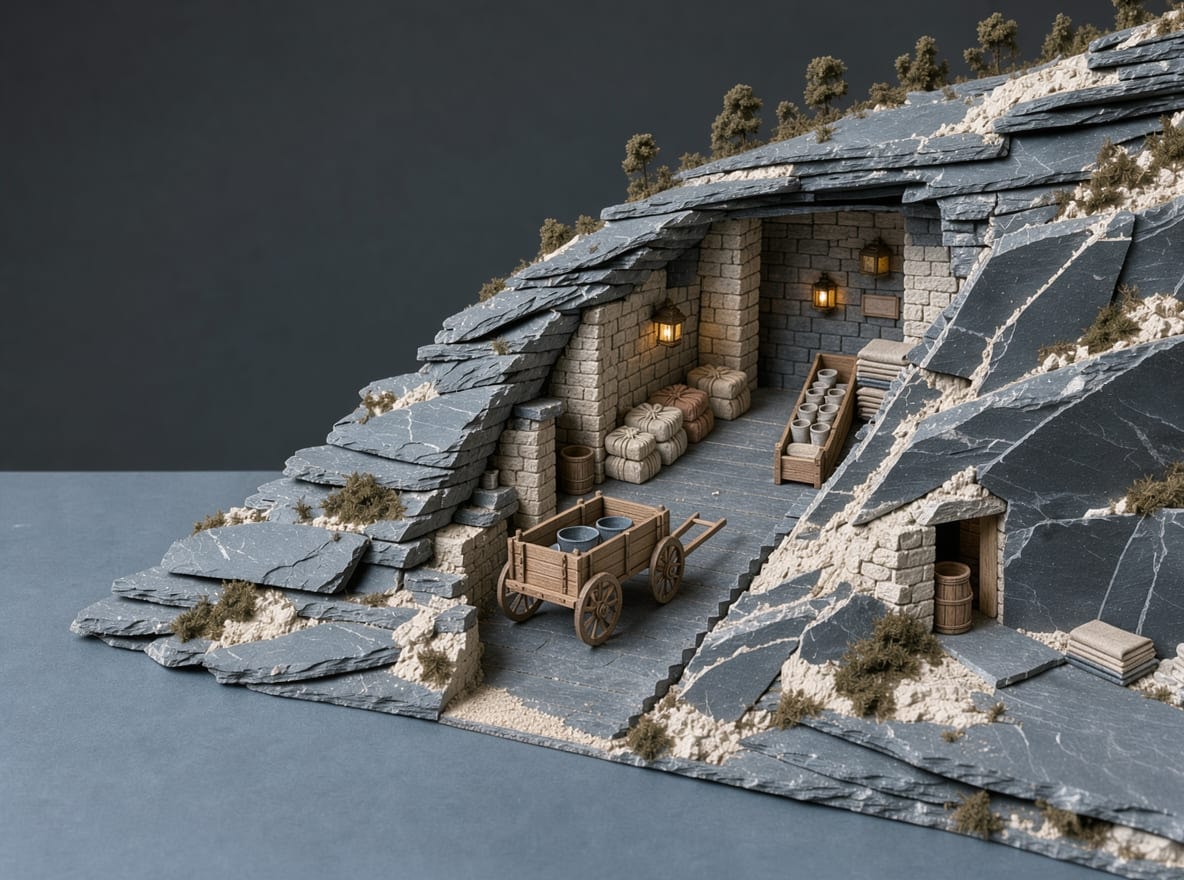
Winter is a good time for an inventory. Count drinks and empty containers separately. Look at seed stocks, available beds, the route to fresh water and the number of jobs waiting for the same specialist. Leave an inside route between the essentials. If the settlement falls, pick one decision to change on the next voyage. Sometimes the entire difference is a door that opens onto the correct stair.
Walk the river entrance in 40d
One illustrated expedition found a river three levels below the wagon, off to the southwest. A magma crater lay far to the northeast, at the same elevation as the river. A cliff-ringed alcove just northeast of the water offered a short caravan approach. Digging down from the top and then out towards the alcove made a front door without giving up the shelter of the cliff. It is a useful exercise in choosing a door from two directions at once.
On the upper tile the 40d overseer opened designations with d and chose the down stair with j. Once the miner cut it, the grey > marked the top landing. One level down at the same coordinates there was still solid rock. There the overseer chose d, then u, for the matching up stair. Only then could the miner reach the walls around the lower landing. A stair continuing in both directions had its own designation and appeared as an X.
The miners cut a wider passage at river level for the busy floor, leaving a separate muddy room higher up for farming. They reached the desired working height first and chose the final position of the farm from the ground they found there.
Move one stockpile on purpose
The expedition marked a rectangle of wood storage by the carpenter. Then it made a smaller pile near the farm and allowed only seeds. The general food pile also had to stop accepting seeds. Otherwise the haulers were quite entitled to leave seed bags in the old location. This is a useful first exercise because success is visible. A bag moves nearer the field and the next planter has a shorter walk.
A well is several industries if you insist on a chain
The tutorial needed a bucket, a block, a mechanism and a rope or chain. Its overseer chose to make a metal chain. That choice led to charcoal, a smelter, metal bars, a forge and an anvil. It is a splendid lesson in distinguishing a building requirement from a particular solution to it. With a suitable rope already on hand, the very same well could have been finished without beginning the metal industry.
The crew dug out the reservoir before opening its water connection. A route alongside the channel let workers leave. The wellhead had to go over open space, and fetching water needed a tile on which a hauler could actually stand. Check an activity zone against those two physical facts. A zone floating over nothing is a beautifully marked place where nobody can do the job.
Give an official time to do the work
The manager handled batches of workshop orders. The bookkeeper needed a place and time to improve the accuracy of the stocks. The broker met the caravan, and the expedition leader also had a liaison to attend to. One dwarf could hold several appointments. A long list of titles did not give them more hours in autumn.
In the stocks display an approximate count and a list of individual finished beds answer different questions. A made bed may be installed, in storage or being carried. The animals list, kitchen permissions and economic-stone settings expose other decisions hidden by the headline totals. Try changing just one permission and following one object from the wagon to its destination.
Keep the old keyboard map small
For the 40d interface, k looked at a tile, v inspected a unit and q queried a building. d opened designations, b opened the build menu and p started a stockpile. A highlighted menu then gave those keys new meanings. Practise on the carpenter, the log pile and the finished bed. All three are in the same production chain and require different kinds of inspection.